Showing posts with label Health. Show all posts

Urinary Tract Infection (UTI): Bladder Infection Symptoms, Causes and Treatments

What Is a Urinary Tract Infection?

About half of women will get a urinary tract infection or UTI at some point in life. It happens when germs infect the system that carries urine out of your body -- the kidneys, bladder, and the tubes that connect them. Bladder infections are common and usually not serious if treated promptly. But if the infection spreads to the kidneys, it can cause more serious illness.

UTI Symptoms: 
  • Bladder Infection
  • Kidney Infection
  • An untreated bladder infection can spread to the kidneys.
  • Pain on either side of the lower back
  • Fever and chills
  • Nausea and vomiting
  • Pain or burning during urination
  • The urge to urinate often
  • Pain in the lower abdomen
  • Urine that is cloudy or foul-smelling
  • Some people may have no symptoms
When to See Your Doctor

See your doctor right away if you have signs of a urinary tract infection. A bladder infection is generally not a medical emergency – but some people have a higher risk for complications. This includes pregnant women, the elderly, and men, as well as people with diabetes, kidney problems, or a weakened immune system.

UTI(Urinary Tract Infection) or Something Else?

Although burning during urination is a telltale sign of a UTI, it can also be a symptom of certain sexually transmitted diseases (STDs.) These include chlamydia, gonorrhea, and trichomoniasis. Simple lab tests are available to distinguish a UTI from an STD.

Honeymoon Cystitis

Few things can ruin a honeymoon like a UTI. But this is so common, it has its own name – "honeymoon cystitis." The reason is that sexual activity can push bacteria into the urethra. Of course, the problem is not confined to honeymoons. Some women get a bladder infection almost every time they have sex. Women who use a diaphragm for birth control are especially vulnerable.

Stealth UTI(Urinary Tract Infection)

Occasionally, UTIs occur without the classic symptoms. A person may have no symptoms at all. Yet, a urine test shows the presence of bacteria. This is known as asymptomatic bacteriuria. In many cases, no treatment is needed. But pregnant women, some children, and recipients of kidney transplants should be treated to avoid a kidney infection.

UTI(Urinary Tract Infection) Complications

The main danger associated with untreated UTIs is that the infection may spread from the bladder to one or both kidneys. When bacteria attack the kidneys, they can cause damage that will permanently reduce kidney function. In people who already have kidney problems, this can raise the risk of kidney failure. There's also a small chance that the infection may enter the bloodstream and spread to other organs.

How Do UTIs Begin?

Many types of bacteria live in the intestines and the genital area, but this is not true of the urinary system. In fact, urine is sterile. So when errant bacteria, such as the E. coli shown here, is accidentally introduced into the urinary system, it can start a UTI. Typically, bacteria travel up the urethra to the bladder, where an infection can take hold. Women are more susceptible than men, probably because they have shorter urethras.

What Boosts Your Risk?

UTIs are most common in sexually active women. Other factors that may increase your risk include:
  • Not drinking enough fluids
  • Taking frequent baths
  • Holding your urine
  • Kidney stones
Urinary Tract Infections in Men

Men are much less likely than women to get UTIs. When it does happen, it's often related to another underlying medical condition, such as a kidney stone or an enlarged prostate.

Diagnosing UTIs

The first step in diagnosing a UTI is usually a simple urine test called a urinalysis. It looks for bacteria, as well as abnormal counts of white and red blood cells. The dipstick test provides quick results. Your doctor may also send your urine to a lab for culture to confirm the type of bacteria. At-home test kits can help detect a UTI, but are not 100% accurate. Be sure to go over the results and your symptoms with your doctor.

Treating UTIs

Prescription antibiotics will almost always cure a UTI. Your health care provider may recommend drinking lots of fluids and emptying your bladder frequently to help flush out the bacteria. Kidney infections can often be treated with oral antibiotics, too. But severe kidney infections may require hospital care, including a course of intravenous antibiotics.

Treating Recurrent UTIs

Some women are prone to getting UTIs over and over again. If you have three or more a year, talk to your doctor about how to prevent or minimize these infections. Your options may include:
  • Taking a low dose of antibiotics long-term
  • Taking a single antibiotic dose after sex
  • Taking antibiotics promptly as self-treatment when symptoms appear
UTIs and Diabetes

People with diabetes are more vulnerable to UTIs for several reasons. First, their immune systems tend to be weaker. Second, high blood sugar can spill into the urine and encourage the growth of bacteria. Also, nerve damage related to diabetes can prevent the bladder from fully emptying. People with diabetes should talk with their doctor at the first sign of a UTI.

UTIs and Pregnancy

During pregnancy, there are several factors that boost the risk of UTIs, especially a kidney infection. Hormones cause changes in the urinary tract, and the uterus may put pressure on the ureters or bladder or both -- making it more difficult for urine to pass from the kidneys to the bladder and out. Untreated UTIs can contribute to preterm labor, so be sure to alert your doctor if you suspect you have an infection.

UTIs and Menopause

Estrogen has a protective effect in the urinary tract, but levels of this hormone drop off significantly during menopause. Low estrogen levels can make it easier for bacteria to thrive in the vagina or urethra. For this reason, women may be more susceptible to UTIs after menopause.

UTIs and Hospital Stays

A hospital stay can put you at risk for a UTI, particularly if you need to use a catheter. This is a thin tube that's inserted through the urethra to carry urine out of the body. Bacteria can enter through the catheter and reach the bladder. This is more often a problem for older adults who require prolonged hospital stays or who live in long-term care facilities.

UTIs in the Elderly

UTIs are among the most common infections in the elderly. But the symptoms may not follow the classic pattern. Agitation, delirium, or other behavioral changes may be the only sign of a UTI in elderly men and women. This age group is also more likely to develop serious complications as a result of UTIs.

UTIs in Infants

Babies occasionally develop UTIs, but they can't tell you what they feel. Here are some signs to watch for:
  • An unexplained fever
  • Strange-smelling urine
  • Poor appetite or vomiting
  • Fussy behavior
It's vital to treat a baby's UTI quickly to prevent kidney damage. Promptly changing a dirty diaper can help prevent bladder infections. And of course, wipe from front to back whenever changing a baby's diaper.

UTIs in Children

About 1% of boys and 3% of girls develop UTIs by age 11. This includes some children who repeatedly delay a bathroom trip. Their muscles may not relax enough later to fully empty the bladder and flush away any bacteria. More regular bathroom trips and drinking plenty of liquids may help. A small number of children have a structural problem that obstructs urine flow or lets urine flow back from the bladder to the kidneys, triggering chronic kidney infections. This can lead to kidney damage.

UTI(Urinary Tract Infection) or Potty Training Problem?

Accidents are par for the course during toilet training. Even kids who have mastered the art of the potty may sometimes have a relapse. Other children may scream or cry when taken to the potty, as a way of rebelling against the process. These are generally not signs of a UTI.

Preventing UTIs

Here are several strategies to reduce your risk of UTIs:
  • Drink plenty of water.
  • Visit the toilet before and after sex.
  • Wipe from front to back.
  • Avoid feminine hygiene sprays.
  • Take showers instead of baths.
The Cranberry Connection

Maybe Mom told you that cranberry juice cures a UTI. She's close. Some studies suggest it can prevent, but not treat an infection, and is more effective in young and middle-aged women. Cranberries contain a substance that prevents E. coli bacteria from sticking to the walls of the bladder. If you don't like the taste of cranberry juice, capsules or tablets may work, too. People with a history of kidney stones should check with a doctor, first.

Top 10 Home Protection Tips For Monsoon Season

Everyone is eagerly awaiting a cool monsoon season, after a particularly stifling summer. However, as you watch the clouds gathering and wish for a heavy downpour, you wish the you don't have to face the hassles that come along with the monsoon rains. Water seeping through the walls, termite infestations, fungus covering your walls and not to mention the respiratory problems that are caused due to this. These rainy season problems have to be fixed immediately, else it leads to damages and extensive repairs to your home.
 
Older homes are more prone to these problems, specially when there is a heavy shower or constant drizzle. It's your home, so protection by following a few basic tips could help you prevent many impending damages and help you have a cool monsoon home.
 
Top 10 Home Protection Tips For Monsoon
 
1. Seek professional help and check your house before the onset of monsoons for any cracks or openings. These cracks should be filled with modified waterproof mortar and sealed. The same polymer can be used to seal the joints in the pipes that take down the rain water. Ensure that the pipes that carry away the rain water, are not clogged with dust or leaves.
 
2. Instead of spending extra money on sophisticated decorations or furnishings, you could opt for roof insulation, which is a great way to protect your house from any impending damages. This would help keep the house warm during winter, cooler during summer. It also prevents unwanted noises from entering the house.
 
3. If you have any damaged tiles, replace them immediately.
 
4. Water tends to collect and stagnate on flat surfaces. By providing slopes where ever possible, you could overcome this problem.
 
5. To prevent water from seeping in through windows or doors, make sure that their frames are water tight and well-sealed.
 
6. For a well prepared monsoon home, regular painting of the exteriors can also prevent water leakages.
 
7. Installation of ventilators in the damp areas of the building avoids moisture from building up. Good ventilation ensures that there is plenty of air movement around the house.
 
8. Another important thing that has to be taken care of is the electrical connections around the house. Damages such as exposed wires have to be taken care of immediately, else it will lead to shock or fires.
 
9. Furnishings tend to get musty during the monsoon. They have to be regularly vacuumed or set out in the sun whenever possible.
 
10. Check for termite infestation, as an humid atmosphere will only boost the growth of termites. Make sure that wooden floors and furniture are properly polished to prevent moisture from building up. Cupboards and desks are easy target for infestation. Use camphor, neem leaves or cloves between clothes to keep away insects.
 

These home protection tips also come in handy for those who are under the process of constructing their dream house, as prevention is a better option. So go ahead and enjoy a great monsoon shower – only outside your home!

Best solutions for real life problems

1. If your throat tickles, scratch your ear!
When you were 9, playing your armpit was a cool trick. Now, as an adult, you can still appreciate a good body-based feat, especially if it serves as a health remedy. Take that tickle in your throat; it's not worth gagging over. Here's a better way to scratch your itch: "When the nerves in the ear are stimulated, it creates a reflex in the throat that can cause a muscle spasm," says Scott Schaffer, M.D., president of an ear, nose, and throat specialty center in Gibbsboro, New Jersey. "This spasm relieves the tickle."


2. Experience supersonic hearing!
If you're stuck chatting up a mumbler at a cocktail party, lean in with your right ear. It's better than your left at following the rapid rhythms of speech, according to researchers at the UCLA David Geffen School of Medicine. If, on the other hand, you're trying to identify that song playing softly in the elevator, turn your left ear toward the sound. The left ear is better at picking up music tones.


3. Overcome your most primal urge!
Need to pee? No bathroom nearby? Fantasize about Katy Perry. Thinking about sex preoccupies your brain, so you won't feel as much discomfort, says Larry Lipshultz, M.D., chief of male reproductive medicine at the Baylor College of Medicine. For best results, try Perry's "California Gurls" video.


4. Feel no pain!
German researchers have discovered that coughing during an injection can lessen the pain of the needle stick. According to Taras Usichenko, author of a study on the phenomenon, the trick causes a sudden, temporary rise in pressure in the chest and spinal canal, inhibiting the pain-conducting structures of the spinal cord.


5. Clear your stuffed nose!
Forget Sudafed. Here's an easier, quicker, and cheaper remedy to relieve sinus pressure is by alternately thrusting your tongue against the roof of your mouth, then pressing between your eyebrows with one finger. This causes the vomer bone, which runs through the nasal passages to the mouth, to rock back and forth, says Lisa DeStefano, D.O., an assistant professor at the Michigan State University college of osteopathic medicine. The motion loosens congestion; after 20 seconds, you'll feel your sinuses start to drain.


6. Fight fire without water! Acid Reflux
Worried those wings will repeat on you tonight? Try this preventive remedy: "Sleep on your left side," says Anthony A. Starpoli, M.D., a New York City gastroenterologist and assistant professor of medicine at New York Medical College. Studies have shown that patients who sleep on their left sides are less likely to suffer from acid reflux. The esophagus and stomach connect at an angle. When you sleep on your right, the stomach is higher than the esophagus, allowing food and stomach acid to slide up your throat. When you're on your left, the stomach is lower than the esophagus, so gravity's in your favor.


7. Cure your toothache without opening your mouth!
Just rub ice on the back of your hand, on the V-shaped webbed area between your thumb and index finger. A Canadian study found that this technique reduces toothache pain by as much as 50 percent compared with using no ice. The nerve pathways at the base of that V stimulate an area of the brain that blocks pain signals from the face and hands.


8. Make burns disappear!
When you accidentally singe your finger on the stove, clean the skin and apply light pressure with the finger pads of your unmarred hand. Ice will relieve your pain more quickly, Dr. DeStefano says, but since the natual method brings the burned skin back to a normal temperature, the skin is less likely to blister.


9. Stop the world from spinning!
One too many drinks left you dizzy? Ah, luckily there's a remedy. Put your hand on something stable. The part of your ear responsible for balance—the cupula—floats in a fluid of the same density as blood. "As alcohol dilutes blood in the cupula, the cupula becomes less dense and rises," says Dr. Schaffer. This confuses your brain. The tactile input from a stable object gives the brain a second opinion, and you feel more in balance. Because the nerves in the hand are so sensitive, this works better than the conventional foot-on-the-floor wisdom.


10. Unstitch your side!
If you're like most people, when you run, you exhale as your right foot hits the ground. This puts downward pressure on your liver (which lives on your right side), which then tugs at the diaphragm and creates a side stitch, according to The Doctors Book of Home Remedies for Men. The fix: Exhale as your left foot strikes the ground.

11. Stanch blood with a single finger!
Pinching your nose and leaning back is a great way to stop a nosebleed—if you don't mind choking on your own O positive. A more civil approach: Put some cotton on your upper gums—just behind that small dent below your nose—and press against it, hard. "Most bleeds come from the front of the septum, the cartilage wall that divides the nose," says Peter Desmarais, M.D., an ear, nose, and throat specialist at Entabeni Hospital, in Durban, South Africa. "Pressing here helps stop them."


12. Make your heart stand still!
Trying to quell first-date jitters? Blow on your thumb. The vagus nerve, which governs heart rate, can be controlled through breathing, says Ben Abo, an emergency medical-services specialist at the University of Pittsburgh. It'll get your heart rate back to normal.


13. Thaw your brain!
Too much Chipwich too fast will freeze the brains of lesser men. As for you, press your tongue flat against the roof of your mouth, covering as much as you can. "Since the nerves in the roof of your mouth get extremely cold, your body thinks your brain is freezing, too," says Abo. "In compensating, it overheats, causing an ice-cream headache." The more pressure you apply to the roof of your mouth, the faster your headache will subside.


14. Prevent near-sightedness!
Poor distance vision is rarely caused by genetics, says Anne Barber, O.D., an optometrist in Tacoma, Washington. "It's usually caused by near-point stress." In other words, staring at your computer screen for too long. So flex your way to 20/20 vision. Every few hours during the day, close your eyes, tense your body, take a deep breath, and, after a few seconds, release your breath and muscles at the same time. Tightening and releasing muscles such as the biceps and glutes can trick involuntary muscles—like the eyes—into relaxing as well.


15. Wake the dead!
If your hand falls asleep while you're driving or sitting in an odd position, rock your head from side to side. It'll painlessly banish your pins and needles in less than a minute, says Dr. DeStefano. A tingly hand or arm is often the result of compression in the bundle of nerves in your neck; loosening your neck muscles releases the pressure. Compressed nerves lower in the body govern the feet, so don't let your sleeping dogs lie. Stand up and walk around.


16. Impress your friends!
Next time you're at a party, try this trick: Have a person hold one arm straight out to the side, palm down, and instruct him to maintain this position. Then place two fingers on his wrist and push down. He'll resist. Now have him put one foot on a surface that's a half inch higher (a few magazines) and repeat. This time his arm will cave like the French. By misaligning his hips, you've offset his spine, says Rachel Cosgrove, C.S.C.S., co-owner of Results Fitness, in Santa Clarita, California. Your brain senses that the spine is vulnerable, so it shuts down the body's ability to resist.


17. Breathe underwater!
If you're dying to retrieve that quarter from the bottom of the pool, take several short breaths first—essentially, hyperventilate. When you're underwater, it's not a lack of oxygen that makes you desperate for a breath; it's the buildup of carbon dioxide, which makes your blood acidic, which signals your brain that somethin' ain't right. "When you hyperventilate, the influx of oxygen lowers blood acidity," says Jonathan Armbruster, Ph.D., an associate professor of biology at Auburn University. "This tricks your brain into thinking it has more oxygen." It'll buy you up to 10 seconds.


18. Read minds!
Your own! "If you're giving a speech the next day, review it before falling asleep," says Candi Heimgartner, an instructor of biological sciences at the University of Idaho. Since most memory consolidation happens during sleep, anything you read right before bed is more likely to be encoded as long-term memory.

Two theories to understand, what is flatulence?

 flato.jpgSure we have all heard many times of flatus, pain that seems on the side while we're doing sport that in many cases prevents us forward, and that blocks us and compels us to stand on dry to recover from the malaise. There are many reasons that have been raised about this pain, and yet there is no scientifically proven. Thus with this post we reveal some of the reasons that could cause the dreaded flatulence.

First of all we must realize that the fart is a nuisance that can occur to anyone as he prepares to play sports. Not that this is a symptom of any illness or discomfort, but simply a problem that occurs and thus has a logical explanation. In this case we are going to stop at the two most conclusive when describing this phenomenon.

Despite being nothing serious or dangerous, flatus is somewhat uncomfortable and painful as it is a pain like a stab or puncture that appears when you are doing any activity that involves both effort and respiratory muscle. Flatus is characterized by sudden onset while we are playing sports or even earlier, a sharp pain between the chest and abdomen, particularly in the case of punctures that occur in the diaphragm.

Theories on the occurrence of flatus

Theories about the appearance of flatus there are many, but most of them are baseless beliefs. We are going to dwell on the most reliable. First there is the theory that the ligaments that attach the stomach to pull down the diaphragm during exercise, which causes a little pain occurs in this part of the body that is what is known as flatus. Therefore, and to avoid need to pull up the trunk to return to its normal state ligaments.

The other theory that shuffle as the cause of the pain of flatus is the lack of blood supply to the area of the diaphragm while we are exercising. This lack of irrigation may have several causes, as we can be doing the digestion or we may need a lot of blood in a certain part of the body to make an effort too high, which triggers pain diaphragm known as flatus.

Avoid appearing flatus

To avoid this we need to take some measures such as drinking water in a slow and small sips. When sporting activities should avoid sudden movements and keep your breathing steady and controlled at all times. They should not play sports on a full stomach is essential if we want to maintain good blood flow throughout the body.

If you have already given us the pain we have to do is stretch the abdominal up, as it is important to tighten the abdominal muscles and press your palm on the area affected by the pain in order to get it to calm down and we can return to resume activity again.
  

What is Thalassotherapy and how it can help you?

This therapy alternative medicine is the use of the marine environment (sea algae, water, mud) and other substances extracted from the sea and its climate so particular, as therapeutic agents for various diseases, both physical and psychosomatic .

Above all are usually recommended, joint problems, skeletal muscle and skin.
 
The word thalassotherapy comes from the Greek word "Thalassa" meaning sea, this type of therapy is the use of seawater and other in order to cure any ailment, answers our body's response to the marine environment and its elements. It has several benefits, not only to what aesthetic concerns, but is also beneficial for the proper functioning of metabolism.
 
Within these areas the most prominent being the responder to the bloodstream, which can significantly improve their functions, as functions cardiovascular . Seawater temperature, salinity and water jets patients received a massage, are the perfect complement to any type of exercise. It is noteworthy that the benefits of thalassotherapy are not alone in this and is recommended even for toning and weight loss , which does more to demonstrate that the advantages of it are truly integrated treatment.

What is psychotherapy and how it can help you?

http://www.topnews.in/files/Psychotherapy.jpgWe often hear the term include psychotherapy, a friend, family friend or we can even say - "You need psychotherapy" or "I have to consult this or that thing with my therapist, but sometimes the term is used incorrectly or in flawed. Here I intend to give a clearer idea of what general but is actually psychotherapy.
 
To begin an answer is not easy, nor is it a simple process, it is not a panacea. Since the days of Sigmund Freud to today, its evolution has been at times almost impossible to follow in its entirety. Although one can say with certainty that it is a complex and rich that it can improve the conditions presented by patients, provide insight and improve the functioning and quality of life of people. Moreover, we should not be a condition or emotional illness to undergo a process of psychotherapy, it would be healthy for almost everyone, to initiate a process of self-evaluative and self with an experienced psychotherapist. Psychiatrists, psychologists, some social workers and nurses may have received in their general training, special training to provide psychotherapy, but not all mental health professionals specialize or wish to provide psychotherapy.
 
Among the professionals mentioned the psychiatrist   combine these forms of drug treatment to relieve the emotional problems of those affected. But psychotherapy is a delicate process, which   in expert hands can not cause harm. There are several kinds of psychotherapy, which require different approaches to the patient's problem, we call these forms and techniques and interventions arising from the different forms or schools of psychotherapy. At times, a combination of different   techniques can be helpful. The therapist must know how to choose the most appropriate form of psychotherapy, after careful assessment of the patient.
 
Although there are different types of psychotherapy, they all rely on communication to achieve changes in emotions and behavior of the individual. Psychotherapy can be provided individual, group or family. In the case of children and adolescents, playing, drawing, building and pretending, as well as talking, are important forms used by the therapist to share feelings and solve problems.
 
As part of the initial assessment will determine the need for psychotherapy. This decision will be based on factors such as the problems presented, history, age, education, developmental level, ability to cooperate with treatment and the decision of what type of intervention is more compatible   to solve problems encountered in the patient. Psychotherapy   can be used in combination with other treatments (medication, behavior management, or work with the school.) The relationship that develops between the therapist and patient is crucial and it is important that you as a patient feel comfortable, safe and understood. This kind of atmosphere of trust lets you express your thoughts and emotions and use an effective therapy to improve their quality of life.
 
Psychotherapy   can help in several ways. In addition to receiving emotional support, helps them to resolve conflicts with people, understand feelings and problems and try new solutions to old problems. The goals of therapy may be specific (change in behavior, self-understanding, improve their relationships with friends), or more general (less anxiety, better self-esteem). The length of psychotherapy depends on the complexity and severity of problems and the therapist will discuss this issue with you. You as a patient has a great responsibility with the therapist and yourself, once you start the psychotherapeutic contract, otherwise it may be a failed attempt
 
Some Types of Psychotherapy
  • Dialectical Behavior Therapy (DBT) can be used to treat   those who have chronic suicidal thoughts is intentional physical harm or suffering Marginal Personality Disorder or Border ("Borderline"). DBT emphasizes taking responsibility for their own problems and helps the person to consider how to deal with conflict and negative feelings. It often requires a combination of individual and group psychotherapy.
  • Family Therapy focuses on helping the family to function more positively and constructively to explore patterns of communication and provide support and education .. Couples therapy is a specific type of family therapy that focuses on communication and interaction partner (eg parents having marital problems.)
  • Interpersonal Therapy (IPT) is a brief treatment specifically developed and proven for depression. The goals of IPT are to improve interpersonal functioning by decreasing symptoms of depression. TIP has been shown to be effective in cases of adolescents with depression.
  • Cognitive Behavioral Therapy (CBT) helps improve mood and behavior by examining the confused and distorted patterns of thinking. During CBT the patient learns that thoughts cause feelings and moods that can influence behavior. For example, if you experience unwanted feelings or have problem behaviors, the therapist works to identify the thinking that is causing them. The therapist then helps the individual to replace this thinking with thoughts that result in more appropriate feelings and behaviors. Research shows that CBT can be effective in treating depression and anxiety.
  • Play Therapy (for children and adolescents) involves the use of toys, blocks, dolls, puppets, drawings and games to help children recognize, identify and verbalize feelings. The therapist observes how the child uses play materials and identifies themes or patterns to understand the child's problems. Through a combination of talk and play the child has the opportunity to better understand and manage their conflicts, feelings and behavior.
  • Group Therapy uses the power of group dynamics and interaction among peers to increase understanding and improve social skills. There are many different kinds of group therapy (eg psychodynamic, social skills, substance abuse, multi-family, support, etc..).
  • Psychodynamic Psychotherapy emphasizes understanding of the issues that motivate and influence the behavior, thoughts and feelings of the individual. This can help identify the typical behavior patterns, defenses and responses to conflicts and infighting. The psiconanálisis is a specialized, more intensive psychodynamic psychotherapy usually involves several sessions a week. Psychodynamic psychotherapies are based on the assumption that the individual's behavior and feelings will improve once the internal struggles are understood and studied.
  • Holistic Psychotherapy   uses all available resources to discover the psychotherapist on the patient, combines all the previous methods without losing sight of the thorough evaluation of the physical, emotional, and spiritual environment of the patient. This form covers areas as varied as the way your room is painted, or neighborhood environment, geographic location, habits of the person and family, use and management of time, occupation. Type of college or school, micro cultures and makes use of the rhythmology and ritmoterapia. It is one of the most comprehensive and complicated procedures.
Questions you can do a psychotherapist
  • Why do you recommend psychotherapy?
  • What results can I expect?
  • How long will I be in therapy?
  • How often will I have appointments?
  • Did you just meet me or other members of my family?
  • How soon will I see positive results?
If you going through a difficult emotional situation or feel the need to talk to someone who can understand him, listen and help you improve your quality of life, please seek professional help, but first make sure that the practitioner is properly qualified and elected have formal training. This we can do this by calling, examining boards associations of health professionals in your area.

All about kidney stones

When should I call the doctor?

Two drawings of a female body. In the first drawing is shaded the back of the pelvic region that is visible. In the second picture is shaded the lower back and hip that are visible. The shaded areas indicate where the pain can cause kidney stones.
A Pain in the shaded areas
can be caused by a kidney stone.
   
 
If you have a kidney stone, also called kidney stone, you probably already know how painful it can be. Most stones pass out of the body without having to consult a physician. But sometimes a stone will not be removed alone. You can even become larger. Your doctor can help.
You should call the doctor when
  • severe pain in the back or side that will not go away
  • blood in urine
  • fever and chills
  • vomiting
  • urine that smells bad or looks cloudy, not clear
  • a burning sensation when urinating
These may be signs of a kidney stone that required a doctor's care.

What do the kidneys?

The kidneys are two bean-shaped organs. Everyone has more or less, the size of your fist. They are located near the middle of the back, just below the ribs, one on each side of the column. The kidneys are complex waste collectors. Each day, your kidneys process about 200 quarts of blood to sift out about 2 liters of excess water and waste. Excess water and waste becomes urine, which flows to the bladder through tubes called ureters. The bladder stores urine until you go to the bathroom.
Drawing of the urinary tract in an adult male. We focus on the kidneys, bladder, ureters and urethra. An inset shows an enlarged making a kidney. It identifies the arteries that carry blood to the kidney waste, the vein that carries blood to the kidney clean, and the urethra, which carries waste and extra water into the bladder as urine.
Wastes removed from the blood pass into the bladder.
 
Waste found in the blood are normal wear and active muscle foods you eat. The body uses food for energy and to repair itself. Once the body has taken what it needs from food, wastes enter the blood. If the kidneys did not remove these wastes, they accumulate in the blood and would harm the body.
In addition to removing wastes, your kidneys help control blood pressure. They also help make red blood cells of the blood and bones to remain strong.

What is a kidney stone?

A kidney stone is a solid piece of material that forms in the kidney by substances in the urine.
A stone may stay in the kidney or break loose and travel down the urinary tract. A small stone may pass outside the body without causing too much pain.
A larger stone may get stuck in a ureter, bladder, or urethra. A problem stone can block the flow of urine and cause great pain.

Are all types of stones?

No. Doctors have found four main types of kidney stones.
  • The most common type of stone contains calcium. Calcium is a mineral that is part of a healthy diet.

    Calcium is not used for bones and muscles goes to the kidneys. In most people, the kidneys remove excess calcium with the rest of the urine. People who have calcium stones keep the calcium in the kidneys.

    Calcium is not removed joins with other waste products to form a stone. The most common combination is the calcium oxalate stones.
  • A struvite stone may form after an infection of the urinary system. These stones contain the mineral magnesium and the waste product, ammonia.
  • A uric acid stone may form when there is too much acid in the urine. If you have the tendency to form uric acid stones, you may have to reduce the amount of meat you eat.
  • Cystine stones are rare. Cystine is one of the basic components that make up muscles, nerves and other body parts. Cystine can build up in the urine to form a stone. The disease that causes cystine stone formation is inherited, which means "runs in the family."

What is the appearance of kidney stones?

Kidney stones may be as small as a grain of sand or as large as a pearl. Even some stones can be the size of a golf ball. The stone surface can be smooth or jagged. They are usually yellow or brown.
Drawing of three types of stone in the kidney that are designated "brown stone, the size of a golf ball," "smooth pebble" and "yellow, jagged stone." The stone the size of a golf ball is spherical and bulky.The small, smooth stones are like small pieces of glass.The three yellow stones and peaks are more or less the shape of a football ball with sharp points.
Brown stone, the size of a golf ball Smooth pebble Yellow, jagged stone
 
The stones can be of different sizes and shapes. These illustrations are not the true size of a stone.

What can my doctor if I have a problem stone?

If you have a stone that can not eliminate from the body, your doctor may need to take remedial steps. In the past, the only way to remove a problem stone was through a medical operation.
 
Currently, doctors have new ways to remove problem stones. The following sections describe some of these methods.

Shock waves

Your doctor can use a machine to send shock waves directly on the kidney stone. The waves break a large stone into smaller stones that can pass through the urinary system with your urine. The technical name for this method is lithotripsy extracorporeal shock wave (also known by its initials in English as ESWL). Doctors often call it ESWL for short. Lithotripsy word comes from Greek and means grinding stone.
 
There are two types of machines that produce shock waves. In one of the machines, the patient sits in a tub or vat of water. In the majority of new machines, you lie on a stretcher. A health technician will use ultrasound or x-ray images to direct the shock waves at the stone.

Tunnel surgery

In this method, the doctor makes a small cut in the patient's back, forming a narrow tunnel through the skin to the stone inside the kidney. With a special instrument that fits inside the tunnel, the doctor can find the stone and remove it. The technical name for this method is percutaneous nephrolithotomy.

The ureteroscope

At A ureteroscope looks like a long wire. The doctor inserts it into the patient's urethra, passes it through the bladder and above, directs it to the ureter where the stone is located. The ureteroscope has a camera that can see where the stone. Through a small cage, catch the stone and pull it out of the body, or the doctor may remove the stone with a device inserted through the ureteroscope.

How will my doctor find out what kind of stone I have?

Drawing of an adult woman who is to use the toilet.
Try to catch a stone in a strainer.
The best way to determine the type of stone you have is that your doctor examine the stone itself. If you know you're passing a stone, try to catch it in a colander.
Chances are your doctor will ask for a sample of urine or blood test to find out what is causing the stones. You may need to collect your urine for 24 hours. These tests will help the doctor determine what you should do is not to re-form stones in the future.

Why do I need to know what kind of stone I have?

The therapy your doctor gives you depends on what type of stone you have. For example, a drug that prevents the formation of calcium stones will not work if you have a struvite stone. Dietary changes that help in preventing the formation of uric acid stones have no effect on calcium stones. Therefore, careful analysis of the stone will help guide treatment.

What I can do to avoid more stones?

Drink more water. Try to drink every day, 12 full glasses of water. Drink lots of water helps to flush away the substances that form kidney stones.
Woman drinking glass of water
Try to take all of 12 full glasses of water.
 
You can also make soft drinks like ginger ale, lemon-lime soft drinks and fruit juices. But water is best. Limit your coffee, tea and soft drinks 1 to 2 cups a day because the caffeine can do to remove the liquid too quickly.
 
Your doctor may tell you to eat more of certain foods and less of others. For example, if you have a uric acid stone, your doctor may ask you to eat less meat, because meat to digest in the body decomposes and produces uric acid.
 
If you are prone to forming calcium oxalate stones, you might need to limit foods that are high in oxalate content. These foods include rhubarb, beets, spinach and chocolate.
 
The doctor may prescribe medication to prevent or avoid the formation of calcium stones and uric acid.

Points to remember

  • Most stones pass out of the body without having to consult a physician.
  • Ask your doctor if you have severe pain in the back or side that will not go away.
  • Go to your doctor if you have blood in the urine, the urine will appear pink.
  • When you pass a stone, try to catch it in a strainer to show your doctor.
  • Drink lots of water to prevent or avoid more stones.
  • Talk to your doctor about ways to prevent more stones.

How to cure the sore throat almost instantly?

I have seen this simple remedy at Digg and I like to try, in fact I will the next time you have a sore throat, but in the meantime I decided to share with you. You know, if you have chance to experience this "Grandma's recipe" please, share the results with us. Most surprising is the number of positive references received by readers of the original article, and the high number of votes they received the note on Digg. That's what I decided to translate this simple remedy.

Cures for sore throat

A sore throat is caused by an infection that can be viral or bacterial origin. It usually occurs because of a viral infection (as happens with a cold, flu or mononucleosis), although more serious throat infections can occur due to a bacterial infection (such as strep, mycoplasma or Hemophilus). The bacterial type respond well to antibiotics, while this is not the case with those of viral origin. For the latter, there are several natural remedies you can take to soothe the throat. Some of these remedies, the fruit of wisdom, are effective in the hour or two hours after the shot, others will do the next morning.
 
If the next morning you see no improvement see your doctor, especially if you suspect it may be strep.
 
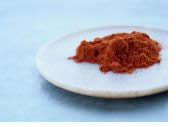
The remedy: the red pepper (or cayenne) cures the sore throat
 
We believe that the best remedy for sore throat (whether the infection is viral or bacterial) is gargling with cayenne pepper
The recipe is simple:

Dissolve one teaspoon of dessert in a glass of warm water.
Gargle for a few seconds, spit, repeat the operation several times, and ready.
Tip: stir the mixture constantly before each sip because the pepper tends to go to the bottom. (Oh, and the eyes carefully with pepper pica).