Showing posts with label Food. Show all posts

Urinary Tract Infection (UTI): Bladder Infection Symptoms, Causes and Treatments

What Is a Urinary Tract Infection?

About half of women will get a urinary tract infection or UTI at some point in life. It happens when germs infect the system that carries urine out of your body -- the kidneys, bladder, and the tubes that connect them. Bladder infections are common and usually not serious if treated promptly. But if the infection spreads to the kidneys, it can cause more serious illness.

UTI Symptoms: 
  • Bladder Infection
  • Kidney Infection
  • An untreated bladder infection can spread to the kidneys.
  • Pain on either side of the lower back
  • Fever and chills
  • Nausea and vomiting
  • Pain or burning during urination
  • The urge to urinate often
  • Pain in the lower abdomen
  • Urine that is cloudy or foul-smelling
  • Some people may have no symptoms
When to See Your Doctor

See your doctor right away if you have signs of a urinary tract infection. A bladder infection is generally not a medical emergency – but some people have a higher risk for complications. This includes pregnant women, the elderly, and men, as well as people with diabetes, kidney problems, or a weakened immune system.

UTI(Urinary Tract Infection) or Something Else?

Although burning during urination is a telltale sign of a UTI, it can also be a symptom of certain sexually transmitted diseases (STDs.) These include chlamydia, gonorrhea, and trichomoniasis. Simple lab tests are available to distinguish a UTI from an STD.

Honeymoon Cystitis

Few things can ruin a honeymoon like a UTI. But this is so common, it has its own name – "honeymoon cystitis." The reason is that sexual activity can push bacteria into the urethra. Of course, the problem is not confined to honeymoons. Some women get a bladder infection almost every time they have sex. Women who use a diaphragm for birth control are especially vulnerable.

Stealth UTI(Urinary Tract Infection)

Occasionally, UTIs occur without the classic symptoms. A person may have no symptoms at all. Yet, a urine test shows the presence of bacteria. This is known as asymptomatic bacteriuria. In many cases, no treatment is needed. But pregnant women, some children, and recipients of kidney transplants should be treated to avoid a kidney infection.

UTI(Urinary Tract Infection) Complications

The main danger associated with untreated UTIs is that the infection may spread from the bladder to one or both kidneys. When bacteria attack the kidneys, they can cause damage that will permanently reduce kidney function. In people who already have kidney problems, this can raise the risk of kidney failure. There's also a small chance that the infection may enter the bloodstream and spread to other organs.

How Do UTIs Begin?

Many types of bacteria live in the intestines and the genital area, but this is not true of the urinary system. In fact, urine is sterile. So when errant bacteria, such as the E. coli shown here, is accidentally introduced into the urinary system, it can start a UTI. Typically, bacteria travel up the urethra to the bladder, where an infection can take hold. Women are more susceptible than men, probably because they have shorter urethras.

What Boosts Your Risk?

UTIs are most common in sexually active women. Other factors that may increase your risk include:
  • Not drinking enough fluids
  • Taking frequent baths
  • Holding your urine
  • Kidney stones
Urinary Tract Infections in Men

Men are much less likely than women to get UTIs. When it does happen, it's often related to another underlying medical condition, such as a kidney stone or an enlarged prostate.

Diagnosing UTIs

The first step in diagnosing a UTI is usually a simple urine test called a urinalysis. It looks for bacteria, as well as abnormal counts of white and red blood cells. The dipstick test provides quick results. Your doctor may also send your urine to a lab for culture to confirm the type of bacteria. At-home test kits can help detect a UTI, but are not 100% accurate. Be sure to go over the results and your symptoms with your doctor.

Treating UTIs

Prescription antibiotics will almost always cure a UTI. Your health care provider may recommend drinking lots of fluids and emptying your bladder frequently to help flush out the bacteria. Kidney infections can often be treated with oral antibiotics, too. But severe kidney infections may require hospital care, including a course of intravenous antibiotics.

Treating Recurrent UTIs

Some women are prone to getting UTIs over and over again. If you have three or more a year, talk to your doctor about how to prevent or minimize these infections. Your options may include:
  • Taking a low dose of antibiotics long-term
  • Taking a single antibiotic dose after sex
  • Taking antibiotics promptly as self-treatment when symptoms appear
UTIs and Diabetes

People with diabetes are more vulnerable to UTIs for several reasons. First, their immune systems tend to be weaker. Second, high blood sugar can spill into the urine and encourage the growth of bacteria. Also, nerve damage related to diabetes can prevent the bladder from fully emptying. People with diabetes should talk with their doctor at the first sign of a UTI.

UTIs and Pregnancy

During pregnancy, there are several factors that boost the risk of UTIs, especially a kidney infection. Hormones cause changes in the urinary tract, and the uterus may put pressure on the ureters or bladder or both -- making it more difficult for urine to pass from the kidneys to the bladder and out. Untreated UTIs can contribute to preterm labor, so be sure to alert your doctor if you suspect you have an infection.

UTIs and Menopause

Estrogen has a protective effect in the urinary tract, but levels of this hormone drop off significantly during menopause. Low estrogen levels can make it easier for bacteria to thrive in the vagina or urethra. For this reason, women may be more susceptible to UTIs after menopause.

UTIs and Hospital Stays

A hospital stay can put you at risk for a UTI, particularly if you need to use a catheter. This is a thin tube that's inserted through the urethra to carry urine out of the body. Bacteria can enter through the catheter and reach the bladder. This is more often a problem for older adults who require prolonged hospital stays or who live in long-term care facilities.

UTIs in the Elderly

UTIs are among the most common infections in the elderly. But the symptoms may not follow the classic pattern. Agitation, delirium, or other behavioral changes may be the only sign of a UTI in elderly men and women. This age group is also more likely to develop serious complications as a result of UTIs.

UTIs in Infants

Babies occasionally develop UTIs, but they can't tell you what they feel. Here are some signs to watch for:
  • An unexplained fever
  • Strange-smelling urine
  • Poor appetite or vomiting
  • Fussy behavior
It's vital to treat a baby's UTI quickly to prevent kidney damage. Promptly changing a dirty diaper can help prevent bladder infections. And of course, wipe from front to back whenever changing a baby's diaper.

UTIs in Children

About 1% of boys and 3% of girls develop UTIs by age 11. This includes some children who repeatedly delay a bathroom trip. Their muscles may not relax enough later to fully empty the bladder and flush away any bacteria. More regular bathroom trips and drinking plenty of liquids may help. A small number of children have a structural problem that obstructs urine flow or lets urine flow back from the bladder to the kidneys, triggering chronic kidney infections. This can lead to kidney damage.

UTI(Urinary Tract Infection) or Potty Training Problem?

Accidents are par for the course during toilet training. Even kids who have mastered the art of the potty may sometimes have a relapse. Other children may scream or cry when taken to the potty, as a way of rebelling against the process. These are generally not signs of a UTI.

Preventing UTIs

Here are several strategies to reduce your risk of UTIs:
  • Drink plenty of water.
  • Visit the toilet before and after sex.
  • Wipe from front to back.
  • Avoid feminine hygiene sprays.
  • Take showers instead of baths.
The Cranberry Connection

Maybe Mom told you that cranberry juice cures a UTI. She's close. Some studies suggest it can prevent, but not treat an infection, and is more effective in young and middle-aged women. Cranberries contain a substance that prevents E. coli bacteria from sticking to the walls of the bladder. If you don't like the taste of cranberry juice, capsules or tablets may work, too. People with a history of kidney stones should check with a doctor, first.

Useful household tips‏

Ants Problem:
Ants hate cucumbers.
Keep the skin of cucumbers near the place or ant hole.

To get pure and clean ice :
Boil water first before freezing.

To make the mirror shine:
Clean with spirit

To remove chewing gum from clothes:

Keep the cloth in the freezer for an hour.

To whiten white clothes:
Soak white clothes in hot water with a slice of lemon for 10 minutes

To give a shine to hair :
Add one teaspoon of vinegar to hair, then wash hair.

To get maximum juice out of lemons :
Soak lemons in hot water for one hour, and then juice them.

To avoid smell of cabbage while cooking:
Keep a piece of bread on the cabbage in the vessel while cooking.

To avoid tears while cutting onions:
Chew gum.

To boil potatoes quickly:
Skin one potato from one side only before boiling.

To remove ink from clothes :
Put toothpaste on the ink spots generously and let it dry completely, then wash.

To skin sweet potatoes quickly :
Soak in cold water immediately after boiling.

To get rid of mice or rats :
sprinkle black pepper in places where you find mice or rats.
They will run away.

How to make curry powder house?

curry-hecho-en-casa-dap.jpg

When we look at recipes from India or Thailand, it is very common among the ingredients, are included curry powders. Normally, we can easily find them in supermarkets, but if you really attracts the exotic cuisine, curry your concept of change when you see how to make your own curry powder house.

You know that there are many combinations of spices called massalasThat determined in accordance with the proportion of one or another ingredient, the final taste of the mixture. Thus the garam masala, the Tikka masala, curry Khorma, the Vindaloo, Among others, are the most popular. Today we will see a recipe curry powder basis similar to those sold in jars, but the authentic touch of homemade by us themselves.

Ingredients

  • To roast: 2 tablespoons coriander seeds, 1 tablespoon cumin seeds, 1 tablespoon fennel seeds, 1 tablespoon mustard seeds ½ teaspoon black pepper seeds.
  • To mix: 1 tbsp turmeric powder, 1 tablespoon ginger powder and ½ teaspoon chile powder.

How to make curry powder house

The first thing we do to make our own homemade curry powder, is acquire the different seeds. Today it is fairly easy, and easily found in health food shops and Asian food stores. Good to know the different names of the seeds.

The coriander seeds, sometimes we find it under the name of CorianderOr in English, coriander. Seeds fennel, Sometimes appearing under the name Fennel and turmeric, Which is what gives curry its yellow traditional, sometimes comes with the name of Turmeric.

Once we have located all the ingredients, we began dry roasting in a frying pan different seeds. We must not use any oil or other liquid, only the seeds and fire softly. We must move continuously to prevent burning. But it will begin to enjoy a great aroma, which extends throughout the kitchen.

curry.jpg

Once they have been about 7 or 8 minutes, stirring continuously, turn off the heat and let our seeds to cool. If, after five minutes, we can crush a coffee millOr alternatively, in a mortar that will be used for this function. Then, without difficulty, we have an aromatic blend of ground spices.

To finish our mix, add the chile powder, ginger and turmeric finally, and re-mixed with the mill, or otherwise giving few bumps and turns in the mortar. We have ready our homemade curry powder, which beautifully preserved aroma In an airtight spice for a couple of months.

Tasting

Once you know how to make curry powder house, You can use in many dishes such as rice, Oriental-style dishes, vegetables, meats and fish. It's up to let your imagination and taste. Moreover, this basis we can adapt the curry to your taste by adding cinnamon, herbs, etc., As we most like.

What is Thalassotherapy and how it can help you?

This therapy alternative medicine is the use of the marine environment (sea algae, water, mud) and other substances extracted from the sea and its climate so particular, as therapeutic agents for various diseases, both physical and psychosomatic .

Above all are usually recommended, joint problems, skeletal muscle and skin.
 
The word thalassotherapy comes from the Greek word "Thalassa" meaning sea, this type of therapy is the use of seawater and other in order to cure any ailment, answers our body's response to the marine environment and its elements. It has several benefits, not only to what aesthetic concerns, but is also beneficial for the proper functioning of metabolism.
 
Within these areas the most prominent being the responder to the bloodstream, which can significantly improve their functions, as functions cardiovascular . Seawater temperature, salinity and water jets patients received a massage, are the perfect complement to any type of exercise. It is noteworthy that the benefits of thalassotherapy are not alone in this and is recommended even for toning and weight loss , which does more to demonstrate that the advantages of it are truly integrated treatment.

All about kidney stones

When should I call the doctor?

Two drawings of a female body. In the first drawing is shaded the back of the pelvic region that is visible. In the second picture is shaded the lower back and hip that are visible. The shaded areas indicate where the pain can cause kidney stones.
A Pain in the shaded areas
can be caused by a kidney stone.
   
 
If you have a kidney stone, also called kidney stone, you probably already know how painful it can be. Most stones pass out of the body without having to consult a physician. But sometimes a stone will not be removed alone. You can even become larger. Your doctor can help.
You should call the doctor when
  • severe pain in the back or side that will not go away
  • blood in urine
  • fever and chills
  • vomiting
  • urine that smells bad or looks cloudy, not clear
  • a burning sensation when urinating
These may be signs of a kidney stone that required a doctor's care.

What do the kidneys?

The kidneys are two bean-shaped organs. Everyone has more or less, the size of your fist. They are located near the middle of the back, just below the ribs, one on each side of the column. The kidneys are complex waste collectors. Each day, your kidneys process about 200 quarts of blood to sift out about 2 liters of excess water and waste. Excess water and waste becomes urine, which flows to the bladder through tubes called ureters. The bladder stores urine until you go to the bathroom.
Drawing of the urinary tract in an adult male. We focus on the kidneys, bladder, ureters and urethra. An inset shows an enlarged making a kidney. It identifies the arteries that carry blood to the kidney waste, the vein that carries blood to the kidney clean, and the urethra, which carries waste and extra water into the bladder as urine.
Wastes removed from the blood pass into the bladder.
 
Waste found in the blood are normal wear and active muscle foods you eat. The body uses food for energy and to repair itself. Once the body has taken what it needs from food, wastes enter the blood. If the kidneys did not remove these wastes, they accumulate in the blood and would harm the body.
In addition to removing wastes, your kidneys help control blood pressure. They also help make red blood cells of the blood and bones to remain strong.

What is a kidney stone?

A kidney stone is a solid piece of material that forms in the kidney by substances in the urine.
A stone may stay in the kidney or break loose and travel down the urinary tract. A small stone may pass outside the body without causing too much pain.
A larger stone may get stuck in a ureter, bladder, or urethra. A problem stone can block the flow of urine and cause great pain.

Are all types of stones?

No. Doctors have found four main types of kidney stones.
  • The most common type of stone contains calcium. Calcium is a mineral that is part of a healthy diet.

    Calcium is not used for bones and muscles goes to the kidneys. In most people, the kidneys remove excess calcium with the rest of the urine. People who have calcium stones keep the calcium in the kidneys.

    Calcium is not removed joins with other waste products to form a stone. The most common combination is the calcium oxalate stones.
  • A struvite stone may form after an infection of the urinary system. These stones contain the mineral magnesium and the waste product, ammonia.
  • A uric acid stone may form when there is too much acid in the urine. If you have the tendency to form uric acid stones, you may have to reduce the amount of meat you eat.
  • Cystine stones are rare. Cystine is one of the basic components that make up muscles, nerves and other body parts. Cystine can build up in the urine to form a stone. The disease that causes cystine stone formation is inherited, which means "runs in the family."

What is the appearance of kidney stones?

Kidney stones may be as small as a grain of sand or as large as a pearl. Even some stones can be the size of a golf ball. The stone surface can be smooth or jagged. They are usually yellow or brown.
Drawing of three types of stone in the kidney that are designated "brown stone, the size of a golf ball," "smooth pebble" and "yellow, jagged stone." The stone the size of a golf ball is spherical and bulky.The small, smooth stones are like small pieces of glass.The three yellow stones and peaks are more or less the shape of a football ball with sharp points.
Brown stone, the size of a golf ball Smooth pebble Yellow, jagged stone
 
The stones can be of different sizes and shapes. These illustrations are not the true size of a stone.

What can my doctor if I have a problem stone?

If you have a stone that can not eliminate from the body, your doctor may need to take remedial steps. In the past, the only way to remove a problem stone was through a medical operation.
 
Currently, doctors have new ways to remove problem stones. The following sections describe some of these methods.

Shock waves

Your doctor can use a machine to send shock waves directly on the kidney stone. The waves break a large stone into smaller stones that can pass through the urinary system with your urine. The technical name for this method is lithotripsy extracorporeal shock wave (also known by its initials in English as ESWL). Doctors often call it ESWL for short. Lithotripsy word comes from Greek and means grinding stone.
 
There are two types of machines that produce shock waves. In one of the machines, the patient sits in a tub or vat of water. In the majority of new machines, you lie on a stretcher. A health technician will use ultrasound or x-ray images to direct the shock waves at the stone.

Tunnel surgery

In this method, the doctor makes a small cut in the patient's back, forming a narrow tunnel through the skin to the stone inside the kidney. With a special instrument that fits inside the tunnel, the doctor can find the stone and remove it. The technical name for this method is percutaneous nephrolithotomy.

The ureteroscope

At A ureteroscope looks like a long wire. The doctor inserts it into the patient's urethra, passes it through the bladder and above, directs it to the ureter where the stone is located. The ureteroscope has a camera that can see where the stone. Through a small cage, catch the stone and pull it out of the body, or the doctor may remove the stone with a device inserted through the ureteroscope.

How will my doctor find out what kind of stone I have?

Drawing of an adult woman who is to use the toilet.
Try to catch a stone in a strainer.
The best way to determine the type of stone you have is that your doctor examine the stone itself. If you know you're passing a stone, try to catch it in a colander.
Chances are your doctor will ask for a sample of urine or blood test to find out what is causing the stones. You may need to collect your urine for 24 hours. These tests will help the doctor determine what you should do is not to re-form stones in the future.

Why do I need to know what kind of stone I have?

The therapy your doctor gives you depends on what type of stone you have. For example, a drug that prevents the formation of calcium stones will not work if you have a struvite stone. Dietary changes that help in preventing the formation of uric acid stones have no effect on calcium stones. Therefore, careful analysis of the stone will help guide treatment.

What I can do to avoid more stones?

Drink more water. Try to drink every day, 12 full glasses of water. Drink lots of water helps to flush away the substances that form kidney stones.
Woman drinking glass of water
Try to take all of 12 full glasses of water.
 
You can also make soft drinks like ginger ale, lemon-lime soft drinks and fruit juices. But water is best. Limit your coffee, tea and soft drinks 1 to 2 cups a day because the caffeine can do to remove the liquid too quickly.
 
Your doctor may tell you to eat more of certain foods and less of others. For example, if you have a uric acid stone, your doctor may ask you to eat less meat, because meat to digest in the body decomposes and produces uric acid.
 
If you are prone to forming calcium oxalate stones, you might need to limit foods that are high in oxalate content. These foods include rhubarb, beets, spinach and chocolate.
 
The doctor may prescribe medication to prevent or avoid the formation of calcium stones and uric acid.

Points to remember

  • Most stones pass out of the body without having to consult a physician.
  • Ask your doctor if you have severe pain in the back or side that will not go away.
  • Go to your doctor if you have blood in the urine, the urine will appear pink.
  • When you pass a stone, try to catch it in a strainer to show your doctor.
  • Drink lots of water to prevent or avoid more stones.
  • Talk to your doctor about ways to prevent more stones.

How to cure the sore throat almost instantly?

I have seen this simple remedy at Digg and I like to try, in fact I will the next time you have a sore throat, but in the meantime I decided to share with you. You know, if you have chance to experience this "Grandma's recipe" please, share the results with us. Most surprising is the number of positive references received by readers of the original article, and the high number of votes they received the note on Digg. That's what I decided to translate this simple remedy.

Cures for sore throat

A sore throat is caused by an infection that can be viral or bacterial origin. It usually occurs because of a viral infection (as happens with a cold, flu or mononucleosis), although more serious throat infections can occur due to a bacterial infection (such as strep, mycoplasma or Hemophilus). The bacterial type respond well to antibiotics, while this is not the case with those of viral origin. For the latter, there are several natural remedies you can take to soothe the throat. Some of these remedies, the fruit of wisdom, are effective in the hour or two hours after the shot, others will do the next morning.
 
If the next morning you see no improvement see your doctor, especially if you suspect it may be strep.
 
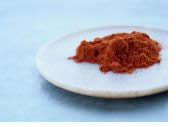
The remedy: the red pepper (or cayenne) cures the sore throat
 
We believe that the best remedy for sore throat (whether the infection is viral or bacterial) is gargling with cayenne pepper
The recipe is simple:

Dissolve one teaspoon of dessert in a glass of warm water.
Gargle for a few seconds, spit, repeat the operation several times, and ready.
Tip: stir the mixture constantly before each sip because the pepper tends to go to the bottom. (Oh, and the eyes carefully with pepper pica).

How to live long life?


American experts believe that centenarians are not only due to a genetic predisposition, but also by its own nature.
 
On a pair with the genes and a healthy lifestyle for the duration of human life has an enormous impact in nature. That was the conclusion, scientists from Boston. However, it is worth noting that traits are inherited, too.
 
In the experiments took part in centenarians and their children. Specialists have found that children whose parents are long-lived, have relatively high life expectancy.
 
During the psychological assessment of individuals of all study participants scientists discovered that these people have shown relatively low development of neurosis and in most cases are extroverts, while delivering a friendly attitude towards others.

History of the Internet

History of the Internet

History of the Internet

                       The concept of data communication - transmitting data between two different places, connected via some kind of electromagnetic medium, such as radio or an electrical wire - actually predates the introduction of the first computers. Such communication systems were typically limited to point to point communication between two end devices. Telegraph systems and telex machines can be considered early precursors of this kind of communication. The earlier computers used the technology available at the time to allow communication between the central processing unit and remote terminals. As the technology evolved new systems were devised to allow communication over longer distances (for terminals) or with higher speed (for interconnection of local devices) that were necessary for the mainframe computer model. Using these technologies it was possible to exchange data (such as files) between remote computers. However, the point to point communication model was limited, as it did not allow for direct communication between any two arbitrary systems; a physical link was necessary.
              
                       The technology was also deemed as inherently unsafe for strategic and military use, because there were no alternative paths for the communication in case of an enemy attack.
As a response, several research programs started to explore and articulate principles of communications between physically separate systems, leading to the development of the packet switching model of digital networking. These research efforts included those of the laboratories of Vinton G. Cerf at Stanford University, Donald Davies (NPL), Paul Baran (RAND Corporation), and Leonard Kleinrock at MIT and at UCLA. The research led to the development of several packet-switched networking solutions in the late 1960s and 1970s, including ARPANET, Telenet, and the X.25 protocols.
         
                     Additionally, public access and hobbyist networking systems grew in popularity, including unix-to-unix copy (UUCP) and FidoNet. They were however still disjointed separate networks, served only by limited gateways between networks. This led to the application of packet switching to develop a protocol for internetworking, where multiple different networks could be joined together into a super-framework of networks. By defining a simple common network system, the Internet Protocol Suite, the concept of the network could be separated from its physical implementation. This spread of internetworking began to form into the idea of a global network that would be called the Internet, based on standardized protocols officially implemented in 1982. Adoption and interconnection occurred quickly across the advanced telecommunication networks of the western world, and then began to penetrate into the rest of the world as it became the de-facto international standard for the global network. However, the disparity of growth between advanced nations and the third-world countries led to a digital divide that is still a concern today.
   
                  Following commercialization and introduction of privately run Internet service providers in the 1980s, and the Internet's expansion for popular use in the 1990s, the Internet has had a drastic impact on culture and commerce. This includes the rise of near instant communication by electronic mail (e-mail), text based discussion forums, and the World Wide Web. Investor speculation in new markets provided by these innovations would also lead to the inflation and subsequent collapse of the Dot-com bubble. But despite this, the Internet continues to grow, driven by commerce, greater amounts of online information and knowledge and social networking known as Web 2.0.

ALSO THE RESULT FOR:
who is father of internet | who invent internet | what is internet | when was internet started | who started internet first | who are the important internet developers | what was the first spam mail | when was internet launched | when was google, facebook, wikipedia, youtube, hotmail, twitter launched | which is the first started mail service | J.C.R.Licklider | father of internet J.C.R.Licklider | who is J.C.R.Licklider (1915 - 1990) | intergalastic network was introduced by J.C.R.Licklider | who is the founder of internet | history of the internet | mosaic for x | nasdaq | vint cerf, bob kahn named internet as internet | who named internet as internet |

How to Prevent Stroke?

How to Prevent a Cerebrovascular Accident (Stroke)

If you're like most Americans, you plan for your future. When you accept a job, you examine the pension plan of the company. When you buy a house, considering its location and condition so that your investment is secure. Today, more and more Americans are protecting their most important asset, ie health. And you?
 
Strokes are the third leading cause of death in the United States. A stroke can be devastating for those affected and their families, robbing them of their independence. It is the most common cause of disability in adults. Each year more than 500,000 Americans have a stroke and about 145,000 die from causes related to it. The officers of the National Institute of Neurological Disorders and Stroke (NINDS, for its acronym in English) have committed to reducing that burden through biomedical research.

What is a Stroke?

Stroke or "brain attack" occurs when blood flow to the brain fails. Brain cells can die from decreased blood flow and the resulting lack of oxygen. There are two broad categories of stroke: those caused by a blockage of blood flow and those caused by bleeding. Although usually not fatal, a blockage of a blood vessel in the brain or neck, called an ischemic stroke is the most common cause of a stroke and is responsible for approximately 80 percent of strokes. These blockages stem from three conditions: the formation of a clot in a blood vessel in the brain or neck, called thrombosis; the movement of a clot from another part of body and heart to the neck or the brain known as embolism, or a narrowing severe an artery in the brain or leading to it, called stenosis. Bleeding in the brain or the spaces surrounding the brain causes the second type of stroke, called hemorrhagic stroke (commonly known as stroke).
 
There are two important steps you can take to reduce your risk of dying or becoming incapacitated by a stroke: know the warning signs of stroke and control risk factors. Scientific research conducted by the NINDS has identified warning signs and a large number of risk factors.

What are the warning signs of a stroke?

The warning signs (or symptoms) are the signs that your body sends the brain not getting enough oxygen. If you observe one or more of the following symptoms of a stroke or brain attack, do not wait, call your doctor or 911 immediately!
  • Numbness, weakness or sudden paralysis of the face, arm or leg, especially on one side of the body.
  • Sudden confusion, trouble speaking or understanding speech.
  • Sudden trouble seeing in one or both eyes.
  • Sudden trouble walking, dizziness, or loss of balance or coordination.
  • Severe headache, sudden and unknown cause.
Other warning signs that may occur include double vision, drowsiness and nausea or vomiting. Sometimes the warning signs last only a few minutes and then disappear. These brief episodes, known as transient ischemic attacks (TIA, for its acronym in English), sometimes called "mini-strokes." Although brief, they identified a serious hidden condition that does not go without medical help. Unfortunately, as they disappear, many people ignore them. Do not do it! Paying attention can save your life.

What are the risk factors for stroke?

A risk factor is a condition or behavior that occurs most often in people who have or may have a higher risk of contracting a disease than in those without. Having a risk factor for stroke does not mean you have a stroke. On the other hand, not having a risk factor does not mean you will not have a stroke. However, your risk of stroke increases with the number and severity of risk factors you have.
 
Strokes occur at any age in both sexes and all races from all countries. These may occur even before birth when the fetus is still in the womb. In African Americans, stroke is more common and more deadly in young adults and middle-aged than in any other ethnic or racial group in the United States. Scientists continue to find more risk factors as well as more severe in some minority groups and continue to search for similar patterns for stroke in these groups.
 
Some of the most important risk factors for stroke that can be addressed are:

-High blood pressure

Also called hypertension, is by far the most powerful risk factor. If your blood pressure is high, you and your doctor should create an individual strategy to lower the normal range. Some things that work are:
  • Maintain a healthy weight.
  • Avoid using drugs known to increase blood pressure.
  • Reduce use of salt.
  • Eating fruits and vegetables to increase potassium in your diet.
  • Exercise more.
Your doctor may prescribe medicines that help reduce blood pressure. Controlling blood pressure will also help prevent heart disease, diabetes and kidney failure.

-Smoking cigarettes

Cigarette smoking has been linked to the buildup of fatty substances in the carotid artery, the major artery in the neck that supplies blood to the brain. Blockage of this artery is the main cause of stroke in Americans. Also, nicotine raises blood pressure, the carbon monoxide of cigarettes reduces the amount of oxygen that blood can carry to the brain, and cigarette smoke thickens the blood, making it more likely to clot. Your doctor can recommend programs and medications to help them quit smoking. Quitting smoking at any age reduces your risk of lung and heart diseases and several types of cancer including lung cancer.

-Heart disease

Common cardiac disorders such as coronary heart disease, valve defects, irregular heartbeat and enlargement of the chambers of the heart can result in blood clots that can dislodge and block blood vessels in the brain or that go to it. The most common disease of the blood vessels caused by fatty deposits in the arteries is called atherosclerosis. Your doctor will treat your heart disease and may also prescribe medications such as aspirin, which helps prevent blood clots. Doctor may recommend surgery to clean a clogged neck artery if you match a particular risk profile. If you are over 50, NINDS scientists believe you should talk with your doctor to make a decision about aspirin therapy. The doctor can assess your risk factors and help you decide whether you would benefit from therapy with aspirin or other blood thinners.

Warning symptoms or a history of stroke.

If you experience a TIA, seek help immediately. Many communities encourage those with signs of a stroke call 911 for emergency medical assistance. If you have had a stroke in the past, it is very important to reduce the risk of a second attack. Your brain helps you recover from a stroke by drawing on body systems that now do double duty. This means that a second attack may be twice as bad.

Diabetes

You may think this disorder affects only the body's ability to use sugar, or glucose, but also causes harmful changes in blood vessels throughout the body, including the brain. Furthermore, if the levels of glucose in the blood are high at the time of the attack, usually the brain damage is more severe and extensive than when blood glucose is under control. Treating diabetes can delay the onset of complications that increase the risk of stroke.

Do you know your risk for stroke?

You can identify some of the most important risk factors for stroke during a physical exam in the doctor's office. If you are over 55 years, the worksheet included in this booklet can help you calculate your risk for stroke and show the benefit of controlling risk factors.
 
The worksheet was developed based on the well-known Framingham study, sponsored by NINDS. With your doctor, you can develop a strategy to decrease the risk to normal or even below normal for their age.
 
You can control many risk factors for stroke, some with great success. Although the risk is zero at any age, if you start early and controlling their risk factors, you can reduce your risk of dying or becoming disabled because of a stroke. With good control, you can keep the risk of stroke in most age groups, below than that for accidental injury or death.
 
The Americans have shown that strokes can be prevented and treated. In recent years, a better understanding of the causes of stroke has helped Americans to make changes in lifestyle that have reduced by almost half the rate of death from stroke.
 
More than a million stroke survivors suffer little or no long-term disability due to the attack. However, another two billion will live for the rest of their lives with limitations due to paralysis, loss of speech and poor memory. NINDS scientists predict that if we continue to focus attention on reducing the risk of strokes and using the now available therapies and developing new, Americans should be able to prevent 80 percent of all strokes.
 
Since Congress ordered its creation in 1950, the NINDS has grown to become the largest sponsor of neurological research in the United States. The majority of research funded by the NINDS are conducted by scientists in public and private institutions such as universities, medical schools and hospitals. Government scientists also conduct a variety of neurological research in laboratories and the different branches of the NINDS own. These investigations range from studies of the structure and function of individual brain cells to try on new diagnostic tools and treatments for neurological disorders.

How to get rid of pimples? Control steps

How to get rid of pimples? How to control it? Many teenagers and adults looking for an answer to the question - how to quickly get rid of pimples and blackheads? Acne is a very unpleasant, and adolescents may also reduce the self-confidence and self esteem.

Nevertheless, with proper care and application of small efforts can be eliminated as acne, and acne.
Here are ways you can use to quickly get rid of these problems.

The most important step in caring for your something - is to use a good washing facilities, which will help wash away all your make-up, remove any dirt or anything that can clog the pores of your skin and cause acne.
Useful to use natural remedies that do not dry your skin, do not cause irritation and heal the skin. It is recommended to wash at least twice a day - morning and before bedtime. Must also know that the skin has a cycle of 28 days and if you do not exfoliate dead skin cells, they will accumulate on its surface and give it an uneven and healthy appearance. Various scrubs will help you get rid of dead skin cells to give your skin beautiful and healthy looking, just skin will absorb nutrients, which will be located in the scrub. Desirable to carry out this procedure at least twice a week, it will make your skin smooth and soft. After the scrub you will notice that your skin looks cleaner, and make-up of skin cells with nutrients, makes skin softer and more radiant. Let the scrub will have you in the habit and then your skin will always look healthy.

If you want to get rid of pimples and acne at home, you should regularly take care of the skin and at least once a week apply a face mask.
How to get rid of acne on the market of cosmetic products is now an enormous variety of products suitable for different skin types. Since the mask of clay suitable for oily skin, and moisturizers and collagen masks should be suitable for dry skin, they provide moisturizing and nourishing your skin.

In addition, to get rid of pimples, do not forget to use products that contain antioxidants, they help to accelerate cell renewal and slow down the aging process caused by free radicals.
Contain antioxidants - Vitamin E, beta carotene and vitamin C. Beta-carotene enhances our immune system and creates a protective layer of our skin, preventing the invasion of harmful bacteria. Vitamin C is one of the most powerful antioxidants, it will leave your skin healthy and beautiful. Vitamin E helps fight harmful effects of ultraviolet and sunlight. If possible, try to keep your skin is not exposed to prolonged sunlight.

Finally, to completely and the toxins in your body, you need to drink 8 to 10 glasses of water daily.
This is a very simple advice, but it should not ignore that-be to understand how to get rid of pimples. Toxins affect the whole body and not allow it to work properly, which leads to various problems, including problems associated with the skin. Water and fruit will help prevent these problems, giving your body all necessary for normal functioning.

High Blood Pressure (Hypertension): Symptoms, Causes and Treatments

What Is Hypertension?

Hypertension, or high blood pressure, is a common condition that will catch up with most people who live into older age. Blood pressure is the force of blood pressing against the walls of your arteries. When it's too high, it raises the heart's workload and can cause serious damage to the arteries. Over time, uncontrolled high blood pressure increases the risk of heart disease, stroke, and kidney disease.

Hypertension Symptoms

High blood pressure is sometimes called a silent killer because it may have no outward symptoms for years. In fact, one in five people with the condition don't know they have it. Internally, it can quietly damage the heart, lungs, blood vessels, brain, and kidneys if left untreated. It's a major risk factor for strokes and heart attacks in the U.S.


What Causes Hypertension?

Normal blood pressure readings will fall below 120/80, while higher results over time can indicate hypertension. In most cases, the underlying cause of hypertension is unknown. The top number (systolic) shows the pressure when your heart beats. The lower number (diastolic) measures pressure at rest between heartbeats, when the heart refills with blood. Occasionally, kidney or adrenal gland disease can lead to hypertension

Prehypertension: A Warning Sign

Almost one-quarter of Americans have prehypertension. Their blood pressure is consistently just above the normal level -- falling anywhere between 120 and 139 for systolic pressure or 80 to 89 for the diastolic pressure. People in this range have twice the risk of developing heart disease than those with a lower reading. Your doctor may recommend lifestyle changes to help lower your blood pressure.

The Hypertension Danger Zone

You have high blood pressure if readings average140/90 or higher -- for either number -- though you may still have no symptoms. At 180/110 and higher, you may be having a hypertensive crisis. Rest for a few minutes and take your blood pressure again. If it is still very high, call 911. A hypertensive crisis can lead to a stroke, heart attack, kidney damage, or loss of consciousness. Symptoms of a hypertensive crisis can include a severe headache, anxiety, nosebleeds, and feeling short of breath.

Who Gets High Blood Pressure?

Up to the age of 45, more men have high blood pressure than women. It becomes more common for both men and women as they age, and more women have hypertension by the time they reach 65. You have a greater risk if a close family member has high blood pressure or if you are diabetic. About 60% of people with diabetes have high blood pressure.

Hypertension and Race

African-Americans are more likely to develop hypertension -- and to develop it at a younger age. Genetic research suggests that African-Americans seem to be more sensitive to salt. In people who have a gene that makes them salt-sensitive, just a half-teaspoon of salt can raise blood pressure by 5 mm Hg. Diet and excessive weight can play a role, as well.

Hypertension and Sodium

Sodium, a major component of salt, can raise blood pressure by causing the body to retain fluid, which leads to a greater burden on the heart. The American Heart Association recommends eating less than 1,500 milligrams of sodium per day. You'll need to check food labels and menus carefully. Processed foods contribute up to 75% of our sodium intake. Canned soups and lunch meats are prime suspects.

Hypertension and Stress

Stress can make your blood pressure spike, but there's no evidence that it causes high blood pressure as an ongoing condition. However, stress may affect risk factors for heart disease, so it may have an indirect connection to hypertension. Stress may lead to other unhealthy habits, such as a poor diet, alcohol use, or smoking, which can contribute to high blood pressure and heart disease.

Hypertension and Weight

Being overweight places a strain on your heart and increases your risk of high blood pressure. That is why diets to lower blood pressure are often also designed to control calories. They typically call for cutting fatty foods and added sugars, while increasing fruits, vegetables, lean protein, and fiber. Even losing 10 pounds can make a difference.

Hypertension and Alcohol

Drinking too much alcohol can increase your blood pressure. Guidelines from the American Heart Association state that if you drink alcohol, you should limit the amount to no more than two drinks a day for men, or one a day for women. They define a drink as one 12-ounce beer, four ounces of wine, 1.5 ounces of 80-proof spirits, or one ounce of 100-proof spirits.

Hypertension and Caffeine

If caffeine can make you jittery, can it also raise your blood pressure? It might have a temporary effect, but studies haven't shown any link between caffeine and the development of hypertension. You can safely drink one or two cups a day, according to the American Heart Association.

Hypertension and Pregnancy

Gestational hypertension is a kind of high blood pressure that occurs in the second half of pregnancy. Without treatment, it may lead to a serious condition called preeclampsia that endangers both the mother and baby. The condition can limit blood and oxygen flow to the baby and can affect the mother's kidneys and brain. After the baby is born, the mother's blood pressure usually returns to its normal level.

Hypertension and Medicine

Cold and flu medicines that contain decongestants are one of several classes of medicine that can cause your blood pressure to rise. Others include NSAID pain relievers, steroids, diet pills, birth control pills, and some antidepressants. If you have high blood pressure, talk to you doctor about what medicines and supplements you are taking that may affect blood pressure.

'White Coat' Hypertension

Some people only have a high reading in the doctor's office, perhaps because they're nervous. Some will only have blood pressure readings sporadically. Those people may have a higher chance of developing high blood pressure, a recent study shows. To get a more accurate reading, take your blood pressure at home, chart your readings, and share them with your doctor. It is also a good idea to bring in your home monitor in for a check of the device and your technique.

Hypertension and Children

While hypertension is more often a problem for older people, even children can have high blood pressure. "Normal" blood pressure varies based on a child's age, height, and sex, so your doctor will need to tell you if there is a concern. Children are at greater risk if they are overweight, have a family history of the illness and if they're African-American.

Treatment: The DASH Diet

You may be able to lower your blood pressure by switching to a better diet. The DASH Diet -- Dietary Approaches to Stop Hypertension -- involves eating more fruits, vegetables, whole-grain foods, low-fat dairy, fish, poultry, and nuts. You should eat less red meat, saturated fats, and sweets. Reducing sodium in your diet can also have a significant effect.

Treatment: Exercise

Regular exercise helps lower your blood pressure. Adults should get about 150 minutes of moderate-intensity exercise every week. That could include gardening, walking briskly, bicycling, or other aerobic exercise. Muscle-strengthening activities are recommended at least two days a week and should work all major muscle groups.

Treatment: Diuretics

Diuretics are often the first choice if diet and exercise changes aren't enough. Also called "water pills," they help the body shed excess sodium and water to lower blood pressure. That means you'll urinate more often. Some diuretics may deplete your body's potassium, causing muscle weakness, leg cramps, and fatigue. Some can increase blood sugar levels in diabetics. Erectile dysfunction is a less common side effect.

Treatment: Beta-blockers

Beta-blockers work by slowing the heart rate, which means that the heart doesn't have to work as hard. They are also used to treat other heart conditions, such as an abnormal heart rate called arrhythmia. They may be prescribed along with other medications. Side effects can include insomnia, dizziness, fatigue, cold hands and feet, and erectile dysfunction.

Treatment: ACE Inhibitors

ACE inhibitors reduce your body's supply of angiotensin II -- a substance that makes blood vessels contract and narrow. The result is more relaxed, open (dilated) arteries, as well as lower blood pressure and less effort for your heart. Side effects can include a dry cough, skin rash, or dizziness, and high levels of potassium. Women should not become pregnant while taking an ACE inhibitor.

Treatment: ARBs

Instead of reducing your body's supply of angiotensin II, these drugs block receptors for angiotensin -- as if placing a shield over a lock. This blockade prevents the chemical's artery-tightening effects, and lowers your blood pressure. ARBs can take several weeks to become fully effective. Possible side effects include dizziness, muscle cramps, insomnia, and high levels of potassium. Women should not become pregnant while taking this medication.

Treatment: Calcium Channel Blockers

Calcium channel blockers slow the movement of calcium into the cells of the heart and blood vessels. Since calcium causes stronger heart contractions, these medications ease the heart's contraction and relax the blood vessels. They can cause dizziness, heart palpitations, swelling of the ankles, and constipation. Take them with food or milk and avoid grapefruit juice and alcohol because of possible interactions.

Treatment: Other Medications

Other medications that relax the blood vessels include vasodilators, alpha blockers, and central agonists. Side effects can include dizziness, a fast heart beat or heart palpitations, headaches, or diarrhea. Your doctor may suggest them if other blood pressure medications are not working well enough or if you have another condition.

Treatment: Complementary Therapies


Meditation can put your body into a state of deep rest, which can lower your blood pressure. Yoga, tai chi, and deep breathing also help. These relaxation techniques should be combined with other lifestyle changes, such as diet and exercise. Be aware that herbal therapies may conflict with other medications you take, and some herbs actually raise blood pressure. Tell your doctor if you take herbal or other dietary supplements.

Living With High Blood Pressure

Hypertension is often a life-long condition. It's important to take your medications and continue to monitor your blood pressure. If you keep it under control, you can reduce your risk of stroke, heart disease, and kidney failure.

Hypothyroidism : Foods to eat and avoid

Food for hypothyroidism

  • Hypothyroidism refers to a decrease in the function of the thyroid gland resulting in the production of low levels of thyroid hormones in the body. Hypothyroidism (or underactive thyroid gland) is a common thyroid gland disorder and is more prevalent in women.
  • Your diet should always include foods that are high in iodine content such as seafood like sushi, seaweed, and saltwater fish. Iodine can also be found in bananas and parsley. Try to use iodised salt instead of plain rock salt in cooking.
  • You need to drink lots of water, at least 8 glasses a day. Remember when you are dehydrated, your body stores more fat and making you gain more weight.
  • Eating more fruit and vegetables help prevent hypothyroidism.
  • A consumption of coconut oil stimulates the production of thyroid hormone. It increases your metabolism and is considered as an energy booster but should be taken in moderation, appropriate to your age and body structure.
  • Green tea helps you lose weight by raising your metabolism and also through fat oxidation.
  • Increase your intake of lean meats, fish, lentils, and low-fat milk as these are rich in tyrosine, which is required for thyroid hormone production.
  • Foods such as tuna, brown rice, Brazil nuts and salmon can provide the selenium that prevent hypothyroidism.
  • Diets high in fibre will not only help you lose weight but also promote regularity in your bowel movement and can help lower your cholesterol. You should get your fibre from actual foods, like beans, rice and other grains, whole wheat and oatmeal.
  • Exercise raises tissue sensitivity toward the thyroid hormone and encourages its secretion from the thyroid gland.
  • Alcohol should also be avoided because it can cause blood sugar fluctuations.

Digest better


There is a plant for each type of digestion problem.

· AIGREMOINE is useful when the stomach problem is accompanied by enteritis, diarrhea and/or chronic liver infection. It helps tone a lazy digestive system. And it also helps regularize acidity and soothe ulcers by improving metabolism.

3 or 4 cups a day. 3 1/2 to 4 tablespoons per quart of water.

· ANGELICA is a digestive, an aperitif, a stimulant, a tonic. It decongests and soothes stomach pains and swelling.

Prepare an infusion (tea) preferably using the fresh plant: 3
½ tablespoons of roots per quart of water. If your stomach is very swollen, prepare and drink 3 cups per day made of 5 tablespoons of seeds per quart of water.

· ANISE is a soothing digestive. It aids digestion and the elimination of intestinal gas, it soothes stomach cramps, aerophagy, dyspepsia (contractions of the digestive organs, dizziness and a heavy feeling after eating).

2 or 3 cups per day, after meals: 2 tablespoons of seeds per quart of water.

The anti-allergy vitamin


So much has been said in praise of Vitamin C. So it is not surprising that it is also effective in treating allergic reactions like hayfever.

We recommend taking Vitamin C in the form of ascorbate rather then ascorbic acid. When taken in ascorbic acid form, it can cause gastro-intestinal disorders.

To fight an allergic reaction, you should consume up to 8 grams. 5 grams are necessary, on average. Start with a dose of 3 grams. Every three hours, take another 1 or 2 grams, until the symptomsdisappear completely.